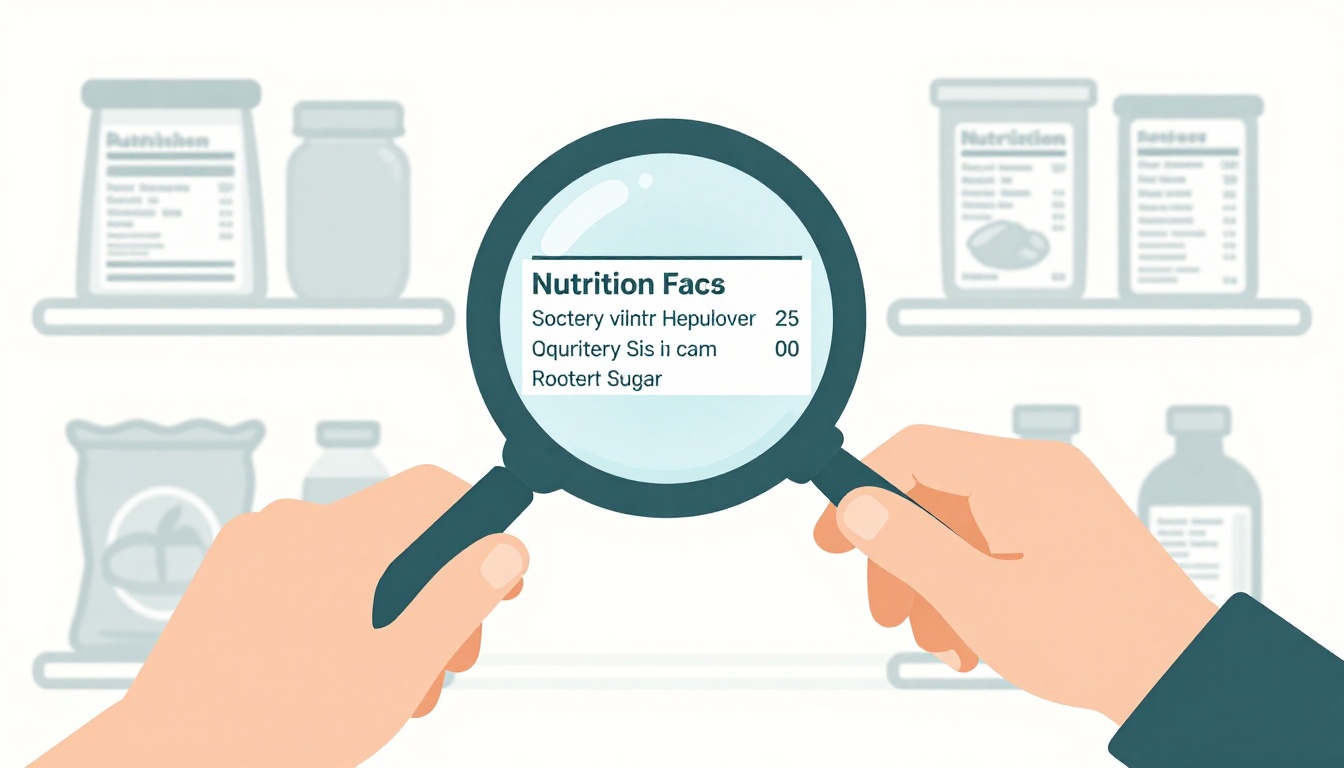
You grab a yogurt from the shelf because the package screams “healthy.” It looks perfect for your busy morning. Then you flip it over. Hidden in the fine print, added sugars hit 12 grams per serving. That quick choice just turned into a sugar bomb.
Food labels confuse most shoppers. Processed items fill grocery aisles, and claims like “low fat” trick you into bad picks. You waste money on junk that harms your health. Yet understanding labels fast fixes this. In under a minute, spot real nutrition.
This guide uses the FDA’s 2021 Nutrition Facts rules, still current in March 2026. No big changes hit yet. We’ll cover serving size, calories, sugars, fats, ingredients, and claims. Plus, tips on coming front-of-pack labels. Follow these steps next time you shop. You’ll eat smarter without the hassle.
Master the Nutrition Facts Label in Seconds
The Nutrition Facts box sits on the back or side of most packages. It gives hard numbers on what you eat. Start here every time. This black-and-white panel lists key info per serving.
Serving size tops the list. It shows realistic amounts based on how Americans eat. Think 2/3 cup for ice cream, not a tiny scoop from the past. Servings per container tells the full package count. Check this first. It sets everything else.
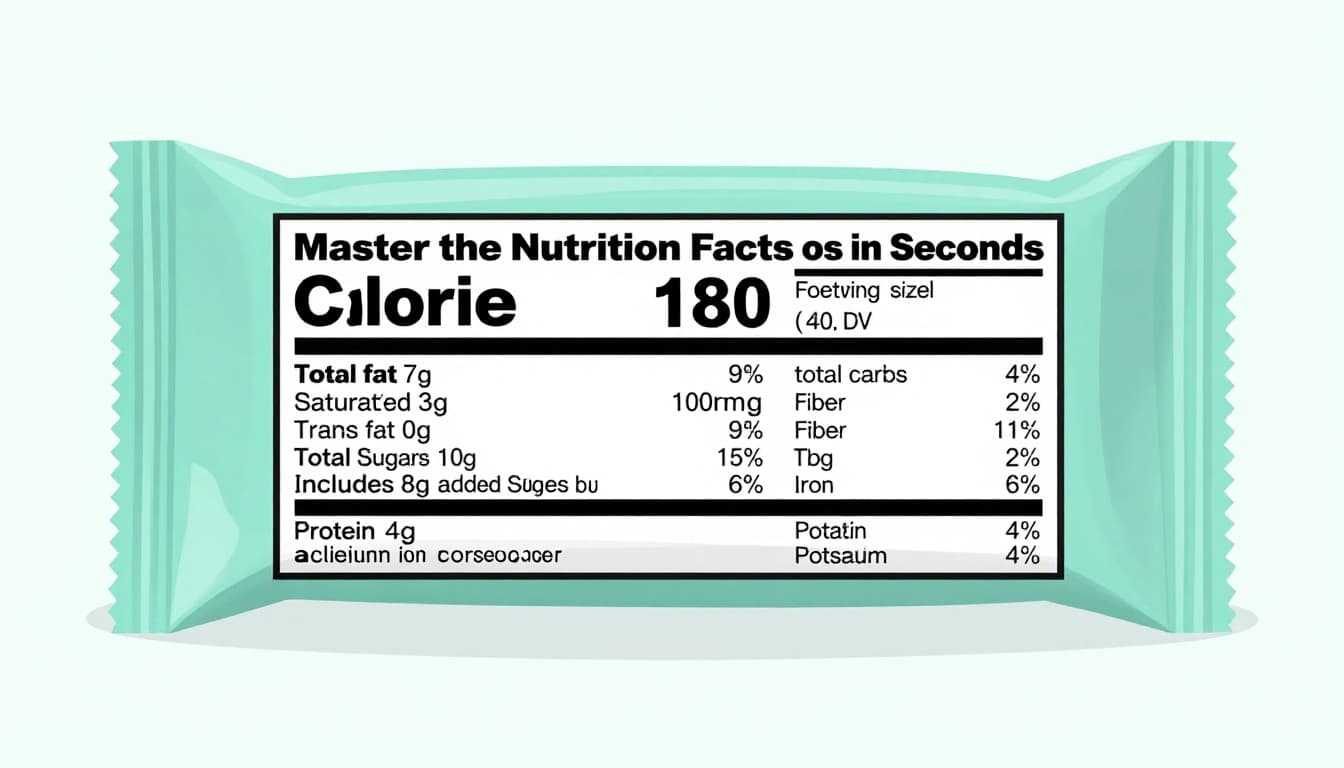
Calories come next, bolded for a reason. They measure energy. Aim for balance in your day. Total fat follows, with saturated and trans fats below. Keep saturated fat under 20% Daily Value (%DV). Trans fats? Zero is best.
Cholesterol and sodium sit low on the list. Limit both. Total carbs include fiber and sugars. Fiber helps digestion; seek high %DV. Total sugars split into natural and added. Added sugars get their own %DV line, capped at 50 grams daily on a 2,000-calorie diet.
Protein grams fuel muscles. Then %DV for vitamin D, calcium, iron, and potassium. The footnote explains %DV: 5% or less means low (good to limit), 20% or more means high (good to get).
For full details on each part, check the FDA’s guide to Nutrition Facts.
Why Serving Size Is Your First Stop
Serving sizes changed in 2021 to match real habits. Soda bottles now show per 12 ounces, what most drink at once. Ice cream jumps to half-cup scoops. Packages often list per piece too, like one chip bag.
This matters because nutrition scales with servings. Eat two? Double the calories and sodium. Many ignore this. A “single serve” yogurt pack holds two servings. You finish it fast, but that’s 300 calories, not 150.
Compare servings per container to your habits. Multi-packs split info clearly. Always multiply if you eat more. This one check prevents overeating surprises.
Quick Hits on Calories, Sugars, Fats, and Sodium
Scan calories first. Bold print shows per serving energy. No more “calories from fat” line; focus on fat types instead.
Added sugars flag trouble. Natural ones in fruit stay fine. Added hit during processing, like syrups. Keep under 10% DV per item. Total sugars include both.
Fats break down simply. Total fat %DV guides limits. Saturated under 20% DV works. Trans fat says 0g, but check ingredients for oils. Sodium sneaks high in snacks; aim low %DV. Cholesterol follows suit.
%DV uses a 2,000-calorie diet baseline. Adjust mentally if you eat less or more.
Nutrients to Boost: Protein, Vitamins, and Fiber
Look for wins lower down. Protein grams build strength; 20+ per serving shines.
Fiber aids fullness and gut health. High %DV beats low every time. Vitamins D, calcium, iron, potassium now required with %DV. Pick high ones for bones and energy. Skip optional A and C unless listed.
%DV shines here. Above 20% means boost it. These nutrients fight common shortfalls.
Crack the Ingredients List Code Fast
Ingredients list sits right under Nutrition Facts. They appear by weight, heaviest first. Short lists signal simple foods. Long ones with chemicals mean processed.
Sugar hides in many names. Spot corn syrup, dextrose, maltose, or honey high up. If any ranks in the top three, pass. They all count as added sugars.
Trans fats lurk too. “0g” means under 0.5g, so scan for “partially hydrogenated oils.” Allergens get bolded at the end: milk, eggs, fish, tree nuts, peanuts, wheat, soybeans, sesame.
Compare lists side by side. “Apples, cinnamon, oats” beats 20 chemicals. For added sugars specifics, see the FDA’s added sugars page.
Keep it quick: top three ingredients tell the story. Skip if sugar or oils lead.
Dodge Label Traps and Decode Claims
Labels trick smart shoppers. You assume one serving fits your hand. Wrong. Many bags hold two or three. Calories double fast.
Added sugars fool next. Total sugars look low, but 10g added hides inside. %DV reveals it. Sodium shocks in “healthy” nuts or bars. Grams matter more than %DV alone.
%DV assumes 2,000 calories. Active folks need less sodium, say. Always cross-check grams.
Claims add confusion. “Low fat” ignores sugars. FDA rules tightened “healthy” in 2025. Effective April 2025, it demands low added sugars (under 5% calories), saturated fat, sodium. Plus fruits, veggies, or protein.
Front-of-pack labels loom. Proposed in 2025, final rule eyes spring 2026. Not active yet. They’ll flag high saturated fat, sodium, added sugars with icons and %DV. Quick scans ahead.
Read claims last. They follow strict rules, but full label rules. Spend 30 seconds: serving first, limits next, ingredients scan.
For the latest on “healthy” claims, read the FDA’s final rule update.
Top Mistakes That Fool Even Smart Shoppers
Shoppers trip on these often.
Serving mismatch tops the list. You eat the whole bag but check one serving. Fix: multiply everything.
Added versus natural sugars confuses. Fruit juice sounds clean; added hides. Check the line below total sugars.
%DV misreads happen daily. Think 10% sodium low? It’s halfway to daily max. Use 5% low, 20% high rule.
Sodium hideouts strike “natural” chips. 300mg per ounce adds up. Scan every time.
Overlook grams for %DV. Low %DV on big servings still packs sodium punch. Grams ground you.
What ‘Healthy’ and Other Claims Really Mean
“Healthy” now means balanced. 2025 rules cap added sugars at 5% calories, sodium low, fats controlled. Yogurt qualifies plain; sugary cereal fails. Whole grains or veggies help too.
“Low fat” limits to 3g or less per serving. “Good source of fiber” hits 10-19% DV.
Front-of-pack previews high flags. “High in added sugars” warns at a glance. Comes 2028-2029 for big firms.
Claims guide, but verify Nutrition Facts. They align with science now.
Master this: serving size first. Scan calories, sugars, sodium, fats %DV. Eye top ingredients. Claims last.
Next grocery run, try 30 seconds per item. You’ll dodge junk and save health. Share your wins in comments below. Pin this for shoppers. Subscribe for more tips like 2026 label watches.
No huge FDA shifts in 2026, but front-of-pack nears. Build this habit. Small checks yield big wins.