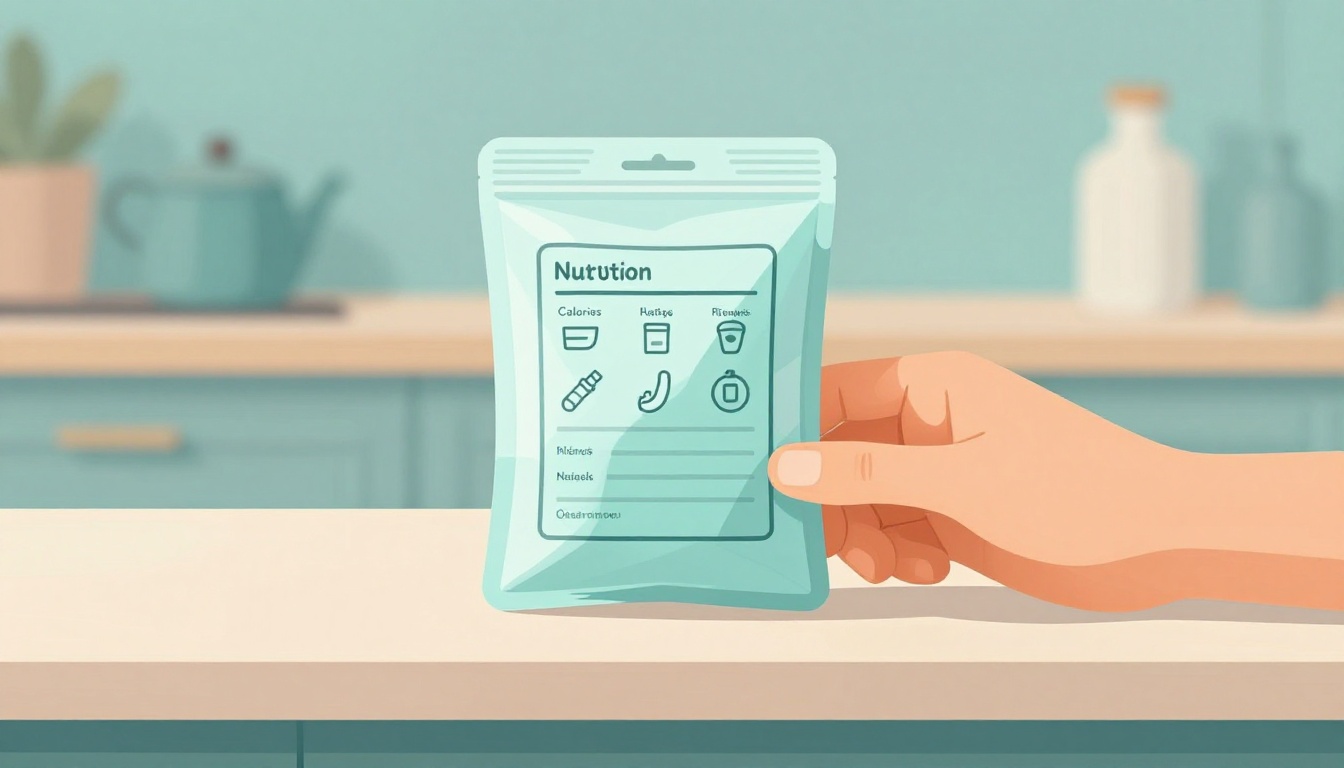
Picture this. You grab a bag of chips at the store for a quick snack. Before tossing it in your cart, you flip it over. That small panel catches your eye. It lists calories, ingredients, and more.
A food label gives key info on packaged foods. It shows nutrition facts, ingredients, and allergens. This helps you pick options that fit your health goals.
Labels matter because they guide smart eating. They spot hidden sugars or allergens fast. They match diets and save money on junk. In this post, we break down label parts, health wins, safety perks, and updates. By the end, you’ll decode any label with ease.
Unpacking the Key Parts of a Food Label
Food labels follow a standard layout in the US. The FDA sets these rules for clarity. You’ll find the black-box Nutrition Facts panel first. Then comes the ingredients list. Serving info and dates round it out.
These parts work together. They let you see what’s inside at a glance. Think of a cereal box. The label sits on the side or back. It turns confusion into quick choices.
For full details on the layout, check the FDA’s Nutrition Facts label guide.
Nutrition Facts Panel: Calories, Nutrients, and Daily Values
The Nutrition Facts panel stands out in bold black. It starts with servings per container and serving size. Calories appear large and clear next.
Total fat follows, split into saturated, trans, and more. Cholesterol and sodium come after. Total carbs include fiber and sugars. A line for added sugars helps spot extras. Protein, vitamin D, and calcium show with % Daily Value, or %DV. This %DV bases on a 2,000-calorie diet. It tells how much one serving covers of your daily needs.
Updates make it simpler. Bigger calories and the added sugars line highlight junk food. So you dodge extra empty calories without guesswork.

Ingredients List and Allergen Highlights
Ingredients list starts with the most by weight. Sugar or corn syrup pops up early if loads exist. This order reveals true contents fast.
Allergens get special callouts. The top nine include milk, eggs, fish, shellfish, tree nuts, peanuts, wheat, soy, and sesame. Makers bold them or add a “contains” statement. This prevents reactions, especially for kids.
Families rely on this. A quick scan keeps everyone safe during meals. For official rules, see the FDA’s food allergies page.

Serving Size and Other Essentials
Serving size matches real life. Expect 1 cup cereal or 10 chips. Servings per package tell the full count.
Bigger packs use dual columns. One shows per serving. The other totals the whole thing. This avoids surprises on portions.
Best-by dates signal freshness, not safety. Claims like “low-fat” mean specific limits. Always check both facts and claims. They guide fresh picks every time.
How Reading Labels Boosts Your Health and Choices
Labels turn grocery runs into smart moves. You cut sugar to fight weight gain. Fiber and protein balance your plate. Compare two yogurts side-by-side. Pick the one with more protein, less added sugar.
Stats back this up. A recent survey found 83% of US shoppers read labels before buying. Health-focused folks do it most. This habit links to better diets overall.

Tracking Sugars, Fats, and Salt for Long-Term Wellness
Aim low on added sugars. The new line shows them separate from natural ones. High sodium hikes blood pressure risks. One snack might pack half your daily limit.
Fats matter too. Skip high saturated types for heart health. Swap items over 20% DV for under 5%. Over time, this builds better habits. You feel fuller, stay steady.
Making Smarter Buys and Meal Plans
Compare brands easy. More protein per gram wins for snacks. Less carbs fits your plan. Spot fillers like thickeners. They bulk up cheap products.
This saves cash too. Whole foods show short lists. Processed ones drag on. Plan meals around labels. Stock protein-rich picks first. Your budget and body thank you.
Food Labels Save Lives with Allergy and Diet Alerts
Allergens hide in sauces or snacks. Labels flag them quick. This cuts emergency trips. About 32 million Americans have food allergies in 2026. That’s one in ten adults, one in thirteen kids.
Parents scan for peanuts before school lunches. Athletes check carbs for energy. Diets like keto or vegan rely on clear lists. Labels confirm fits without doubt.
Spotting Top Allergens Fast
The nine major ones get bold print. Or a “contains” box lists them. Traces must appear too. FDA rules demand this since sesame joined in 2023.
Milk tops kids’ lists. Peanuts hit adults hard. Scan every time. Recipes change. This simple step prevents hives or worse.
Tailoring Labels to Keto, Vegan, or Heart-Friendly Eats
Keto folks subtract fiber from total carbs for net count. Low under 5% DV works. Vegans hunt no milk, eggs, or fish. Heart plans pick low cholesterol, sodium.
Examples help. A bar shows 2g net carbs. Perfect for keto. Vegan soup skips dairy. Always verify. Labels match your needs spot on.
Fresh Updates to Labels That Make Them Easier to Use
FDA rolled out changes in 2020 and 2021. By 2026, most packs show them. Added sugars got its line. Serving sizes grew realistic. Dual columns aid big packs.
Calories bolded up. %DV updated for potassium, vitamin D. These tweaks spot sneaky stuff fast. No major shifts hit in 2026 yet. Front-of-package labels loom soon for quick health checks.
See the differences in this comparison.

For more on changes, visit the FDA’s page on Nutrition Facts updates.
Food labels act as daily guides for health, safety, and smart spending. They reveal truths behind pretty packages.
Next grocery trip, scan one label. Notice the wins. Share your find in the comments. Or quiz family on %DV. Small steps build big habits. You got this.