
You grab a bag of your favorite chips from the pantry, excited for a quick snack. Then you flip it over and spot 28 grams of added sugar in what you thought was just salty crunch. That moment hits hard; it’s a wake-up call to start reading food labels.
These days, processed foods pack more hidden sugars, sodium, and fats than ever. You need to check labels to control your weight, dodge allergens, and choose truly healthier options. The FDA updated the nutrition facts label back in 2021 with bigger calorie counts, separate added sugars, vitamin D, potassium, and realistic serving sizes. No big changes since, but front-of-pack ratings for saturated fat, sodium, and sugars roll out soon to make it even simpler.
In this guide, we’ll break it down step by step: serving size, calories, key nutrients, ingredients list, allergens, and pro tips. By the end, you’ll scan any package with total confidence and make smarter picks every time. Let’s start with the top of the label.
Find the Nutrition Facts Panel and Start with Serving Size and Calories
Flip any packaged food over. You will spot the black-and-white Nutrition Facts label on the back or side panel. It’s always there by law, in a standard box shape. Start at the top. Serving size and calories appear first in bold print. These set the stage for everything else. Because the FDA bases serving sizes on what people actually eat, they feel more real now. A single yogurt cup counts as one serving. But a big cereal bag might list just 1 cup, even if you pour more.
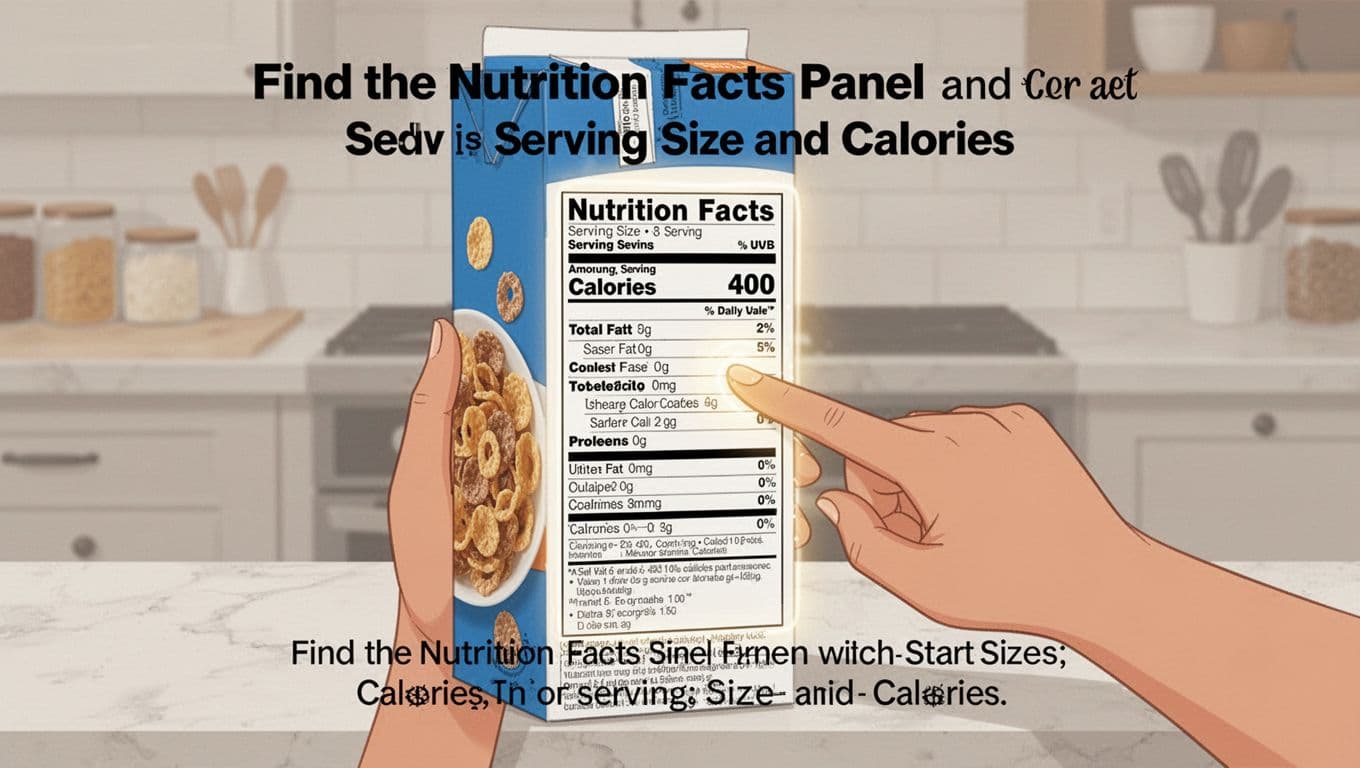
Check servings per container too. This helps you gauge the whole package. Always adjust numbers if you eat more than one serving. Double the calories and nutrients, for example. The label dropped “calories from fat” years ago. So focus on total calories per serving instead. Most adults aim for about 2,000 calories a day. But your needs vary by age, activity, and goals. The bottom footnote explains % Daily Value (%DV). A 5% DV or less means low in that nutrient. Go for 20% or more if you want high amounts.
For full details, see the FDA’s guide to the Nutrition Facts label.
Why Serving Size Tricks Beginners and How to Fix It
Serving sizes fool many new label readers. Packages look huge, but listings show tiny amounts. Take cereal. The label says 1 cup with 150 calories. Yet you dump two cups into your bowl for breakfast. That means 300 calories, not 150. Big bags of chips work the same way. One serving might be just 28 chips. But who stops there? You end up eating three servings without noticing.
Manufacturers set these based on average habits. Still, they do not match your bowl or handful. So multiply everything by your real portion. If a yogurt pack lists one serving at 100 calories, and you eat the whole thing, record 100. But split it? Halve the numbers. This fix keeps surprises away. Most importantly, serving size scales all other info like fats and sugars. Ignore it first, and the label lies to you. Start here every time. Then the rest makes sense.
Calories: The Number That Tells Your Energy Story
Calories count the energy in each serving. Think of them as fuel for your body. Your car needs gas; you need calories to move and think. The bold number stands out for a reason. Compare two snack bars. One has 200 calories per bar. The other packs 350. Pick the lower one if you watch weight. Because extra calories add up fast, especially from snacks.
Daily totals matter too. Active teens might need 2,500 or more. Sedentary adults stick closer to 2,000. Tie this to your goals. Want to lose weight? Keep intake under your burn rate. Gaining muscle? Add a bit more. No need for complex math yet. Just note the per-serving count and multiply by what you eat. For example, the FDA explains serving sizes clearly. High calories signal dense foods. Pair that with %DV to spot balanced picks. In short, calories guide your energy choices without overwhelming you.
Nutrients to Limit: Spot the Red Flags for Hidden Health Risks
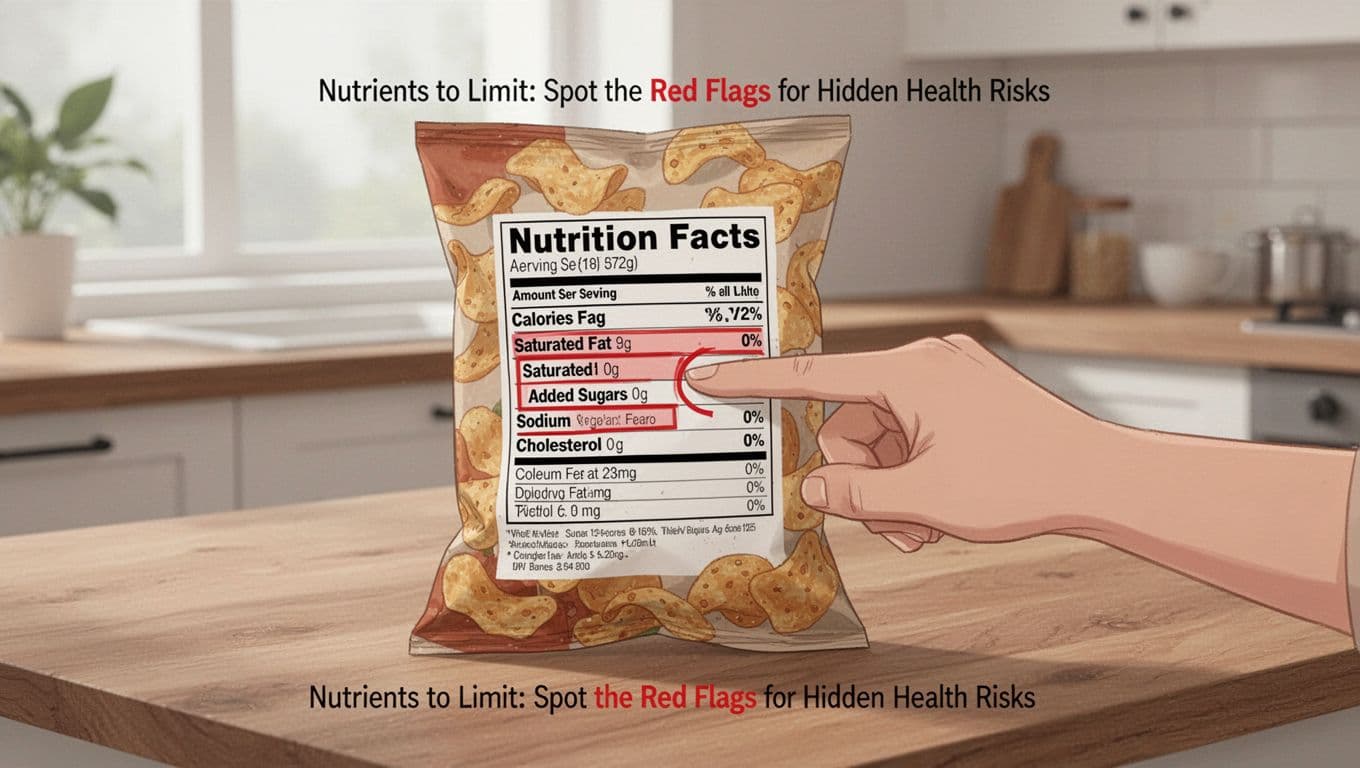
Next, scan the nutrients to limit. Total fat, saturated fat, added sugars, sodium, and cholesterol top the list. High levels raise risks for heart disease, high blood pressure, diabetes, and weight gain. Because these build up fast from processed foods, keep an eye on them. The % Daily Value (%DV) helps here. Aim for 5% DV or less per serving; that’s low and safe. Over 20% DV means high, so watch portions or skip it.
On a 2,000-calorie diet, stick to these daily caps from FDA guidelines:
| Nutrient | Daily Limit |
|---|---|
| Total fat | 78 grams (35% calories) |
| Saturated fat | Less than 22 grams |
| Added sugars | Less than 50 grams |
| Sodium | 2,300 mg |
| Cholesterol | Less than 300 mg |
Beginners, pick items with low %DV across these. For example, chips often hit 15% sodium DV per handful. Candy packs 25% added sugars. Check the FDA’s Nutrition Facts guide for more.
Tame Added Sugars and Saturated Fats Before They Sneak Up
Added sugars differ from natural ones. Fruit brings natural sugars with fiber. But added ones, like high-fructose corn syrup or cane syrup, spike blood sugar fast. Spot them in the ingredients list near the top. Flavored yogurts hide the most. A 6-ounce cup might list 15 grams added sugars, half your daily cap. Plain yogurt? Often zero added.
Saturated fats lurk in fried snacks too. Potato chips or donuts show 5-10 grams per serving from palm oil. That pushes heart risks over time. Real scans reveal this: flip a yogurt tub, and added sugars jump out in bold. Grab chips, and saturated fat lines glow red.
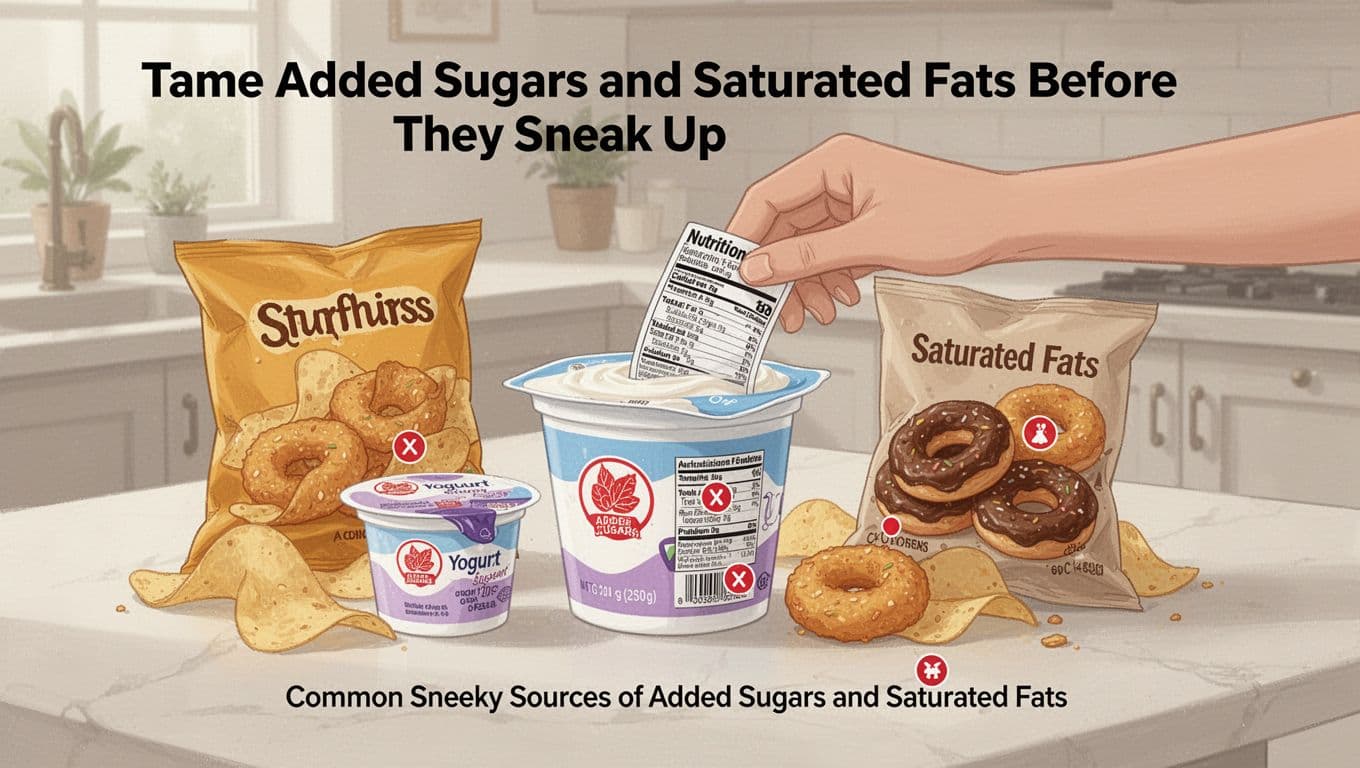
Choose plain yogurt with fresh fruit instead. Or air-popped popcorn over fried chips. These swaps cut risks without bland taste.
Cut Back on Sodium Without Losing Flavor
Canned soup loads sodium heavy. One cup hits 800-1,200 mg, over a third of your 2,300 mg daily cap. Chips add more; a small bag packs 200 mg. Processed foods stack it up quick, leading to high blood pressure.
Yet you don’t need salt for taste. Herbs, garlic, or lemon brighten food. Swap regular soup for low-sodium versions under 140 mg per serving. Or rinse canned beans to drop sodium by 40%.

For ideas, try American Heart Association substitutions. In short, low %DV sodium keeps meals tasty and safe.
Nutrients to Chase: Build Your Plate with These Power Players
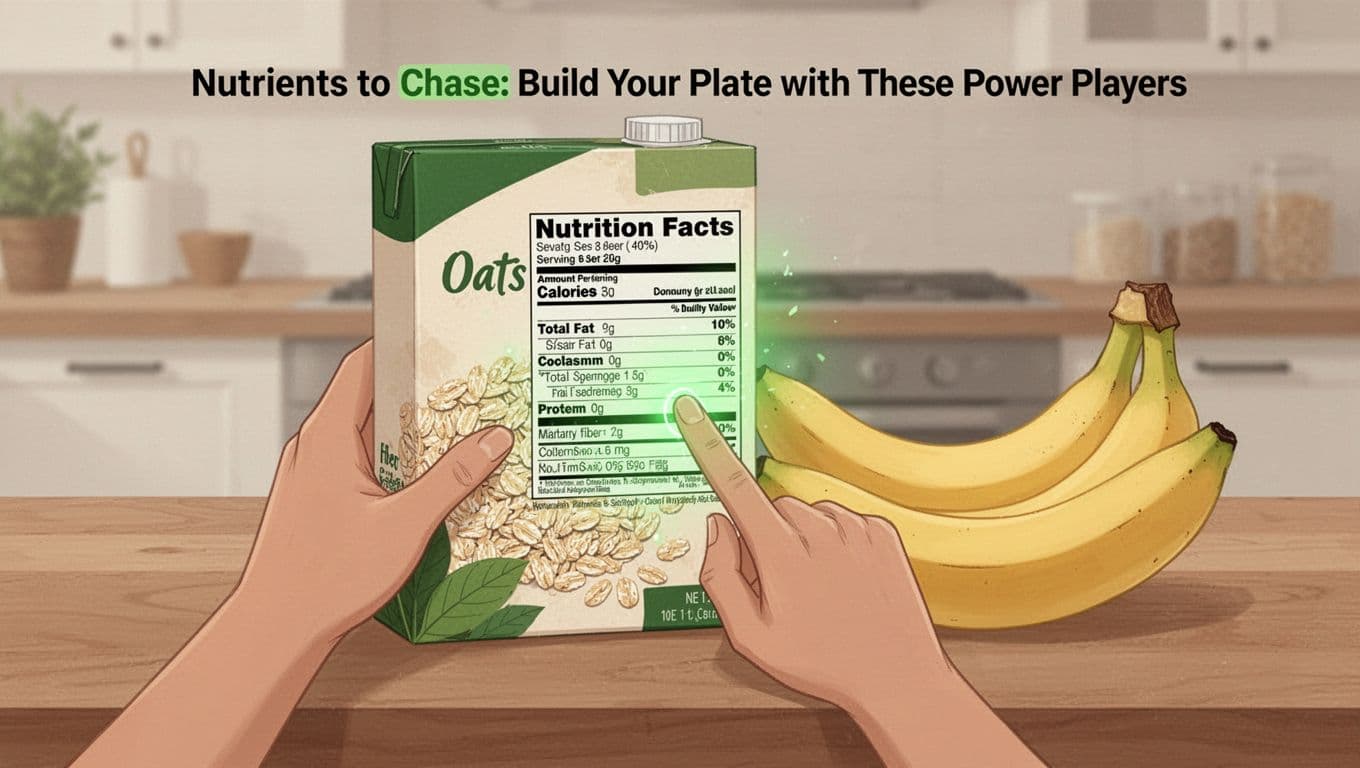
You just dodged the red flags like added sugars and sodium. Now chase the green lights. These nutrients boost energy, support bones, and fight off issues from too much sodium. The FDA requires dietary fiber, vitamin D, calcium, iron, potassium, and protein on labels. Aim for at least 5% Daily Value (%DV) per serving. Better yet, pick 20% or more. They fill gaps in typical diets. Because most folks skimp here, labels make it easy to spot winners. Build meals around them for steady energy and better health.
Fiber, Potassium, and More: Your Daily Heroes
Start with dietary fiber at the top of the good list. It aids digestion and keeps you full longer. Aim for 28 grams daily. Oats pack 4 grams per half-cup serving, often 15% DV. Beans and apples follow close. Low fiber drags energy; high fiber steadies it.
Next, potassium counters sodium’s blood pressure spike. You need 4,700 mg a day. Bananas offer 400 mg each, about 9% DV. Spinach and potatoes top the list too. Unlike sodium, which you cap at 2,300 mg, potassium protects your heart. Pair them: high potassium, low sodium foods win every time.
Vitamin D builds strong bones with 20 mcg daily. Sunlight helps, but milk or fortified cereal gives 15-20% DV per serving. Without it, bones weaken over time.
Calcium teams with vitamin D for 1,300 mg a day. Milk provides 300 mg per cup, hitting 25% DV. Yogurt and leafy greens work well. It prevents brittle bones as you age.
Iron fuels blood cells at 18 mg daily. Red meat or spinach delivers 10-20% DV. Women especially need it to fight fatigue.
Protein, at 50 grams, repairs muscles if listed. Eggs or nuts hit 10-25% DV easily.
Here are the FDA daily values on a 2,000-calorie diet:
| Nutrient | Daily Value |
|---|---|
| Dietary Fiber | 28 g |
| Vitamin D | 20 mcg |
| Calcium | 1,300 mg |
| Iron | 18 mg |
| Potassium | 4,700 mg |
| Protein | 50 g |
These quick sources beat empty calories. For example, check the FDA’s Daily Value guide for more picks. In short, stack your plate high here. You gain energy and balance out the limits.
Crack the Ingredients List and Allergens Code
You handled the Nutrition Facts panel. Now drop your eyes below it. The ingredients list and allergens info follow right after. These reveal what makes up the food, not just nutrient counts. Because ingredients show quality and risks, always check them next. Short lists mean simpler foods. Long ones often hide sugars or fillers.

Decode the Ingredients: Order Reveals the Truth
Ingredients list starts with the biggest amounts by weight. Sugar or corn syrup first? That means a sugary product. The top three to five set the tone. For example, real peanut butter lists peanuts first, then salt. Cheap versions put hydrogenated oils or sugar ahead.
Compare brands side by side. One cereal might lead with whole grain oats. Another starts with sugar and rice. Pick the one with recognizable items low on chemicals. Shorter lists win for wholesomeness. In addition, watch for vague terms like “natural flavors.” They mask extras.
Spot Allergens: Your Safety Check
Allergens get special treatment. Look for bolded names in the list or a “Contains” box below. Major ones include milk, eggs, fish, crustacean shellfish, tree nuts, peanuts, wheat, soybeans, and sesame (added in 2021). Hidden traces matter too, like whey in snacks signaling milk.
Because reactions strike fast, double-check. FDA rules require clear calls. For instance, shared equipment might trigger warnings. Stay safe by scanning every time.
Sesame joins the major allergens list, so check labels on baked goods and snacks.
New “healthy” claims tighten up too. Starting April 2025, foods must meet strict limits on saturated fat, sodium, and sugars to use the word. Front-of-pack boxes for those nutrients could appear by 2029, making scans quicker. See the FDA’s food allergies page for details. Above all, these steps keep you in control.
Pro Tips and Mistakes to Dodge for Label-Reading Success
You now know the flow: start with serving size and calories, check limits like sugars and sodium, chase fiber and potassium, then scan ingredients and allergens. But pitfalls trip up even careful shoppers. So let’s fix those first. Then build habits that stick.
Common Mistakes That Derail Your Efforts
Many skip serving size and eat the whole package. That doubles or triples calories without you noticing. For example, a “single” muffin often lists half as one serving. Result? Hidden overeating.
Others miss added sugars because they blend with total carbs. Check bold lines and ingredients instead. Sodium fools people too; low-fat items pack extra salt for taste.
Beginners ignore %DV footnotes. So they chase high protein without balancing fats. Experts note these errors confuse one in five readers. See WebMD’s take on label misreads for more.
Pregnant women or kids need tweaks. Boost calcium and iron DVs for them. Standard 2,000-calorie labels don’t always fit.
Smart Habits and Tools for Long-Term Wins
Shop with a list to avoid impulse buys. Compare two brands side by side in the aisle. Plain yogurt beats flavored every time.
Apps make it faster. Snap a barcode, and they break down nutrients. Popular ones like those in Fortune’s 2026 nutrition app roundup flag issues quick.
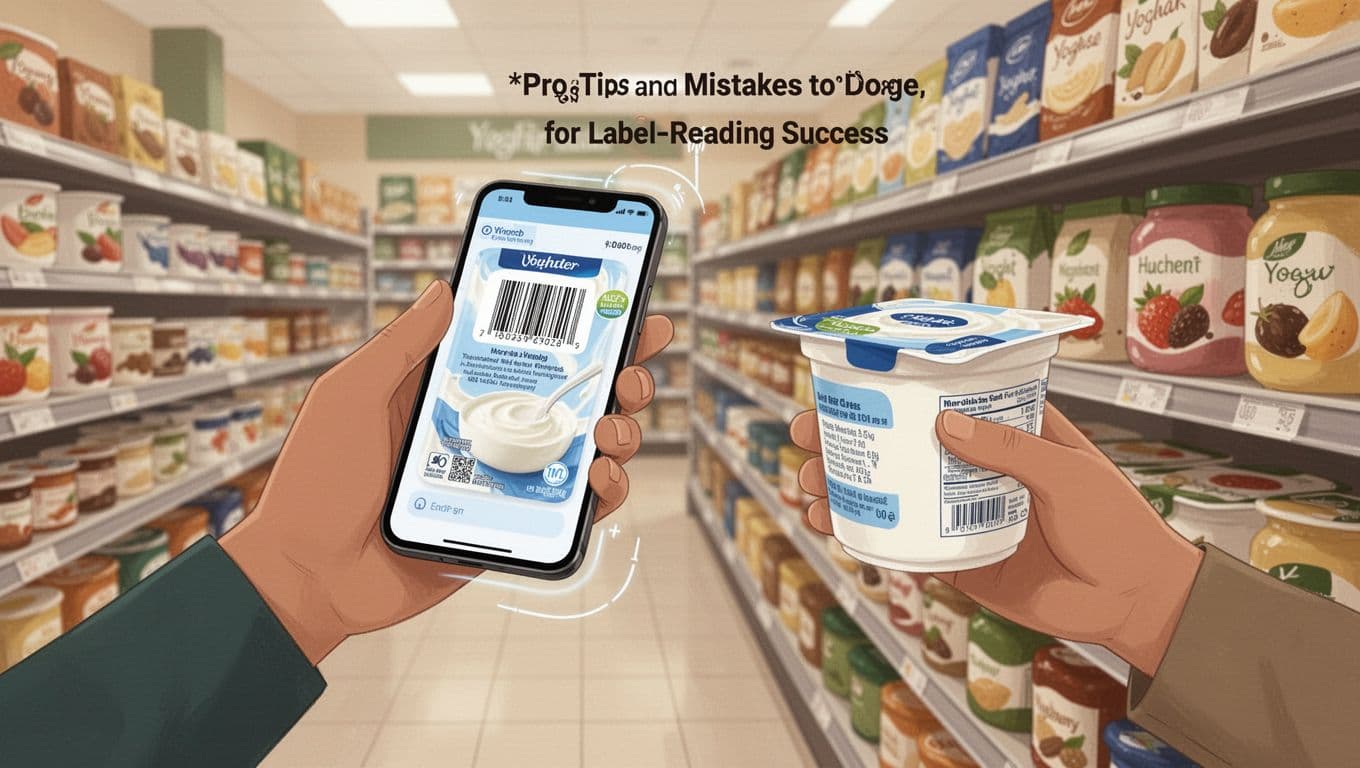
Online? Zoom package images before carting. Turn it fun: make label hunts a family game. Kids spot sugars; you all win prizes for smart picks.
In short, these steps lead to better choices. You save money, feel energized, and dodge regrets over time.
Conclusion
You started with that shock from hidden sugars in chips. Now you spot serving sizes first, dodge added sugars and sodium, chase fiber and potassium, then check ingredients and allergens. This shift turns confusion into quick, smart choices every grocery run.
Most importantly, serving size anchors it all. Adjust for your portions, and the label tells the real story. You control your health without guesswork.
Grab a package from your pantry right now. Scan it using these steps, then share your wins in the comments below. For more, visit the FDA’s Nutrition Facts guide. How to read a food label for the first time just got easy. You got this.