
Picture this: you’re in the cereal aisle, eyeing two boxes that look almost identical. You flip one over, scanning the fine print, and wonder what’s actually required on these food packaging labels. Does every detail matter, or is half of it just fluff?
Knowing the rules changes everything. It helps you shop smarter, dodge hidden allergens that could ruin your day, and pick options that fit your health goals. No more surprises from sneaky ingredients or vague claims.
The US FDA sets clear requirements for food packaging labels, unchanged in big ways as of March 2026. On the front panel, or principal display panel, you’ll find the statement of identity (like “corn flakes”) and net quantity (say, “Net Wt 12 oz”). Then comes the Nutrition Facts label with calories, fats, carbs, added sugars, and updated serving sizes. The ingredient list follows in descending order by weight, while major allergens (now including sesame) get bolded names or a “Contains” statement. Don’t forget the manufacturer or distributor’s name and address.
These basics keep things transparent. So, let’s start with that crucial front panel and build from there.
What Shows Up Front on Food Packages
Shoppers grab products in seconds. That’s why the principal display panel (PDP), or front of the package, packs the most vital info. You see it first on the shelf. Here, food label requirements PDP focus on two must-haves: the product’s name and how much is inside. These details let you decide fast, without flipping the box.
For example, picture a jar in the peanut butter aisle. The front tells you exactly what it is and the amount. No guesswork.
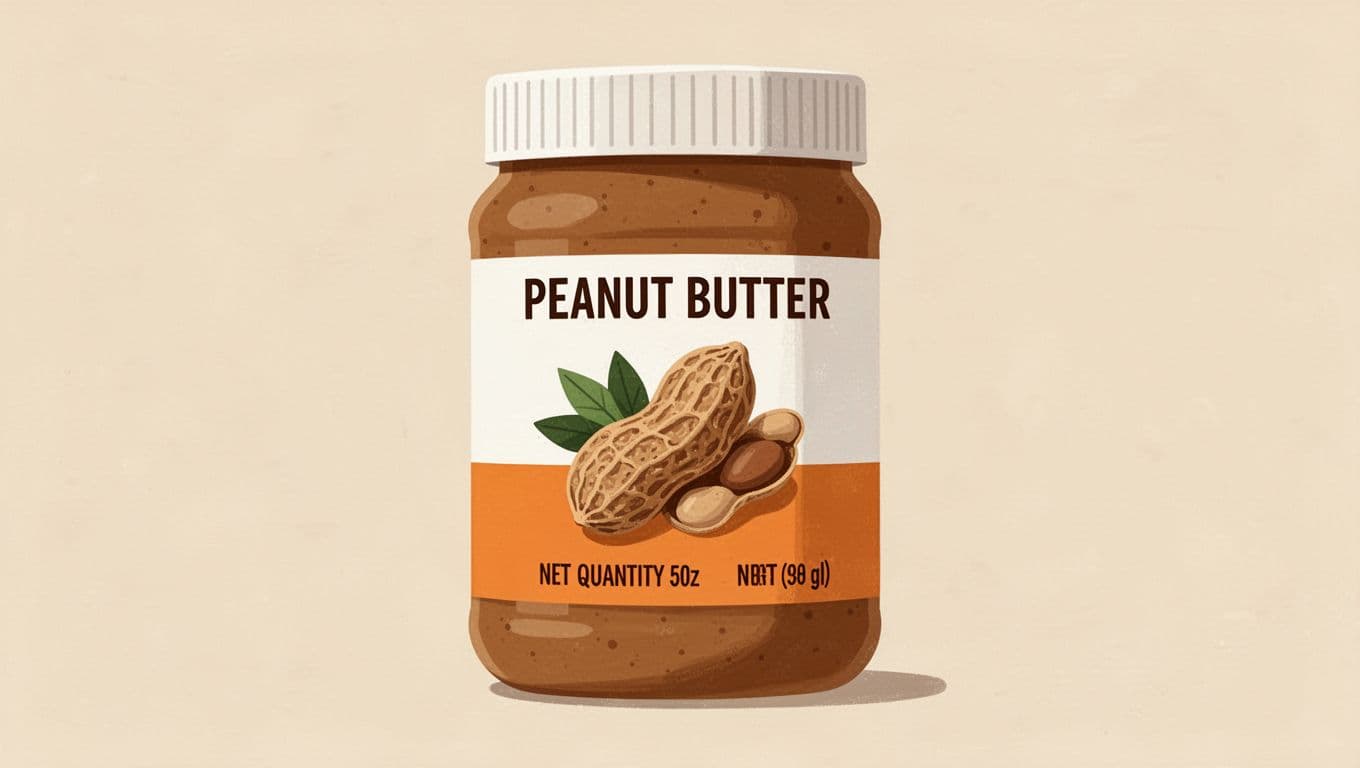
Both elements go in clear spots on the PDP. They use bold, easy-to-read type. As a result, you avoid mix-ups and pick what fits your needs.
Naming the Product Right
Brands love fancy names. However, the FDA demands a statement of identity in plain words. It tells you what the food really is. Think “peanut butter” or “strawberry jam,” not just a creative slogan.
The rule keeps things honest. You get the common or usual name of the product. For instance, “chocolate chip cookies” works because everyone knows that. Vague terms like “snack treat” don’t cut it. They trick buyers.
Why does this matter? Clear names stop confusion. You spot allergies or diet fits right away. Check the FDA’s regulation on identity labeling for full details. It covers everything from juices to baked goods.
In short, the name sits prominent on the PDP. No hiding behind logos or art.
Getting the Amount Spot On
Next up, the net quantity of contents. This shows exactly how much product you get. It goes on the PDP’s lower 30% area. Both US and metric units count, like “16 oz (454 g).”
Rules vary by type. Solids use weight. Liquids take volume. Counts work for items like olives.
Here are common examples:
- Dry goods: Net Wt 12 oz (340 g)
- Liquids: Net 32 fl oz (946 mL)
- Canned items: Net Wt 14.5 oz (411 g), drained weight if needed
Accuracy rules stay strict. Weights come from the actual fill, not the package. Fudge it, and you face fines or recalls. The FDA’s net quantity guide spells out penalties.
Besides, this info speeds your choices. You compare sizes and value quick. No more short bags that disappoint.
Inside the Nutrition Facts Label
Flip the package over from the front panel. You’ll find the information panel right next to the principal display panel. This spot holds the Nutrition Facts label, a key part of nutrition facts label requirements. The FDA updated it between 2016 and 2021, and those changes stay fully in effect today. Serving sizes match what people really eat. Added sugars get their own line. Plus, dual-column formats help for bigger packages.
These labels make smart choices easy. They list calories, fats, carbs, and more in a standard order. A footnote explains it all based on a 2,000-calorie day. Front-of-pack labels for quick checks? The FDA proposed them, but they’re not required yet as of March 2026.
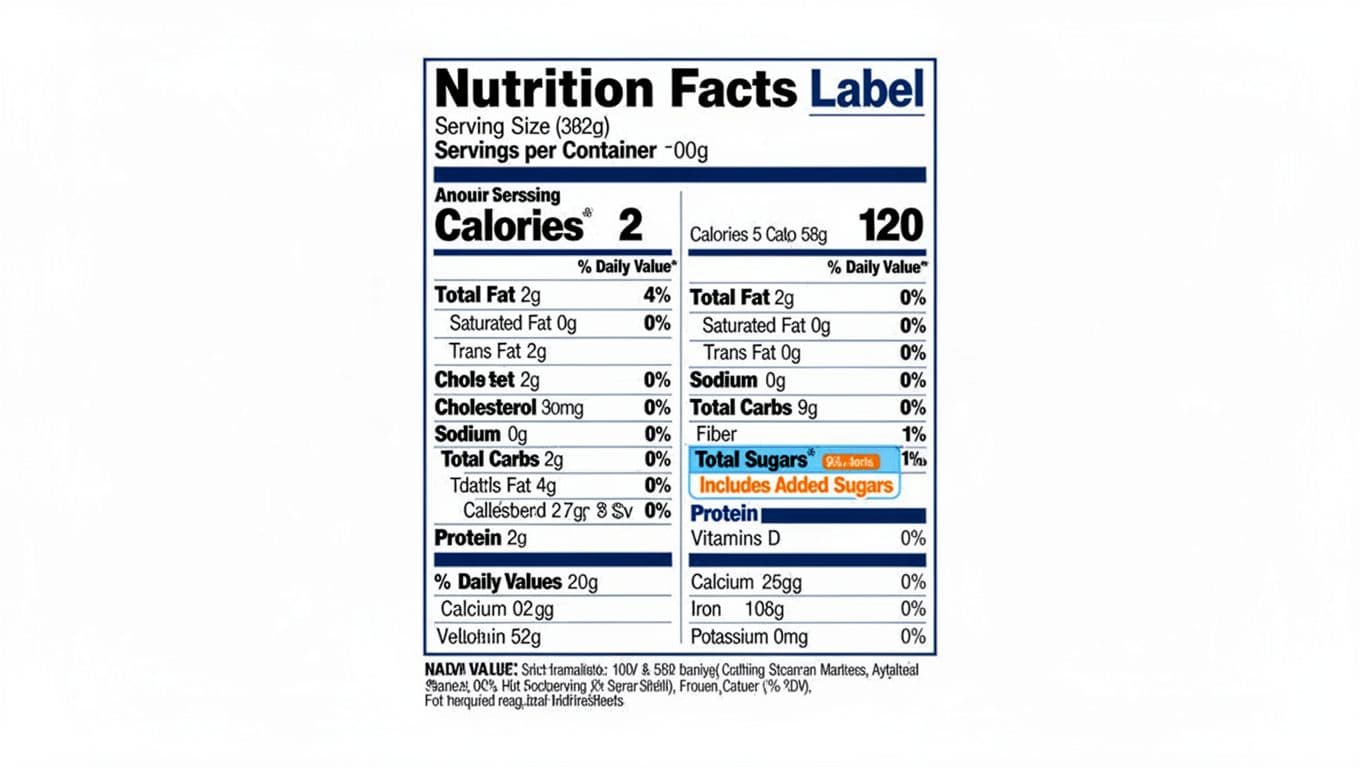
Check the FDA’s guide to the Nutrition Facts label for examples. Now, let’s break down the main pieces.
Key Parts Like Calories and Sugars
Start at the top. Serving size and servings per container appear in bold. They set the base for all numbers below. One serving might seem small, but packages often hold two or three. That’s why dual-column labels show info per serving and per package for items with 2-3 servings total. You see the full hit if you eat it all at once.
Calories come next, bold and large. They tell energy per serving. Aim low for weight goals. Total fat follows, then saturated fat and trans fat (often zero). Cholesterol and sodium round out the risks. High numbers? Put it back.
Carbs take center stage after that. List total carbohydrates, dietary fiber, total sugars, and includes Xg added sugars in a callout. Added sugars matter most because they add empty calories. The American Heart Association caps them at 25g daily for women, 36g for men. Check labels to stay under.
Protein closes the top section. For example, a cereal box might say:
- Serving size: 1 cup (40g)
- Servings per container: 10
- Calories: 160
- Total sugars: 12g (includes 10g added sugars)
These details guide you fast. In addition, they help track diets like keto or low-sodium.
Vitamins and Daily Values Explained
%DV percentages run down the side. They show how much a nutrient fills your daily needs. Based on 2,000 calories, 5% or less means low. 20% or more counts as high. Use them to build balanced meals.
Required nutrients include Vitamin D, calcium, iron, and potassium. All list grams and %DV. Vitamin A and C? Voluntary now. These picks fight bone loss, anemia, and blood pressure issues.
Here’s what they cover:
- Vitamin D: Builds bones; aim for 20% DV.
- Calcium: Strengthens teeth; low intake risks osteoporosis.
- Iron: Boosts energy; women need more.
- Potassium: Balances sodium; cuts heart risks.
The footnote spells it out: “The % Daily Value tells you how much a nutrient in a serving of food contributes to a daily diet. 2,000 calories a day is used for general nutrition advice.“
Why bother? %DV turns numbers into action. Pick yogurt with 30% calcium DV. Skip chips at 15% sodium. Over time, you hit goals without math. See the FDA’s changes to the label for science behind it.
In short, this panel empowers you. Scan it next shop.
Ingredients, Allergens, and Who Made It
Stay on the information panel after Nutrition Facts. Here, the ingredients list rules kick in. Makers list them in descending order by weight, from most to least. They use common names like “sugar” or “wheat flour.” Sub-ingredients go in parentheses, such as “chocolate chips (sugar, cocoa butter, soy lecithin).”
Allergens stand out next. The top nine get special treatment under food allergens labeling. You see them bolded in the list or in a “Contains” statement at the end. Then comes the manufacturer or distributor’s name and full address (street, city, state, ZIP). Sometimes they add a website or phone.
Take a snack bar label. It starts with oats, then peanuts, sugar. Sesame shows bolded. The bottom reads: “Made by Nutty Bites Co., 123 Main St, Anytown, CA 90210.” This setup reveals fillers like corn syrup early. It also flags risks fast. Check the FDA Food Labeling Guide for exact formats.

These details build trust. You spot surprises before checkout.
Reading the Ingredients from Biggest to Smallest
Start at the top of the list. The first item makes up the biggest chunk by weight. Oats lead a granola bar because they form the base. Sugar or oils follow close.
Why does order matter? It shows real priorities. First few drive flavor and texture. Later ones act as fillers. Spot corn syrup fifth? It adds sweetness cheap.
Follow these steps each time:
- Scan top three for mains like flour or meat.
- Check middle for additives like preservatives.
- Note bottom for traces like colors or spices.
Surprises hide low. “Natural flavors” sounds harmless, but it covers many things. Fillers like modified starch bulk it up. As a result, you pick cleaner options. Short lists mean simple foods.
Spotting the Top Allergens Fast
Allergens demand quick reads. The FDA names nine major ones: milk, eggs, fish, crustacean shellfish, tree nuts, peanuts, wheat, soybeans, and sesame. Sesame joined in 2023 via the FASTER Act. See details in the FASTER Act guidance.
Labels highlight them two ways. Bold the name in the ingredients, like milk. Or add “Contains milk, peanuts.” Both work. Clear marks save lives. One missed peanut sends kids to ERs yearly.
Gluten stirs talks for 2026 rules. Yet no mandates exist. Wheat flags it if present, but “gluten-free” stays voluntary.
Hunt these first if allergic. Skip cross-contact warnings; they’re optional. In short, bold words protect you best.
Surprises: What’s Not Required on Labels
You scan labels daily, but some details fool even pros. People assume dates, origins, or front icons must appear. In fact, the FDA skips many. This clears confusion so you trust packages more. Let’s bust myths with facts.

Common Myths vs. Real Rules
Brands add extras for trust, yet federal law skips them. Here’s a quick breakdown:
- Myth: Every package needs an expiration date.
Fact: Dates like “best by” or “sell by” stay voluntary. They signal quality, not safety. FDA stresses safe storage instead. States require them for milk or baby formula only. See the FDA’s date label efforts for updates. - Myth: Country of origin must show on all foods.
Fact: FDA doesn’t require it for most items. USDA handles meat; imports follow customs rules. Check the FDA’s country of origin guidance if curious. - Myth: Front-of-pack nutrition icons are standard.
Fact: Proposed in 2025 for sugars, fats, and sodium, but not mandatory yet. Comments run through July 2025. Big firms get years to adjust if approved. Visit FDA’s front-of-package page.
Online sales follow Nutrition Facts rules too. Traceability tweaks wait until 2028. As a result, you focus on required info like ingredients. No more chasing ghosts.
Conclusion
Food packaging labels stick to basics like the principal display panel name and net quantity. Nutrition Facts break down calories, sugars, and nutrients. Ingredients list order plus bolded allergens reveal risks. Maker details add trust.
These rules cut through confusion. You shop smarter and protect health with every scan. No more guesswork in the cereal aisle.
Grab your next grocery list. Check labels close. Share this post with friends. Drop a comment on your label pet peeves below. Visit the FDA site for updates. Sign up for our newsletter on food safety tips, and read our post on spotting clean ingredients next.